How a retired Air Force Chief Master Sergeant used the Department of Defense COOL program to earn an ICF credential and continue a lifelong mission of developing leaders.
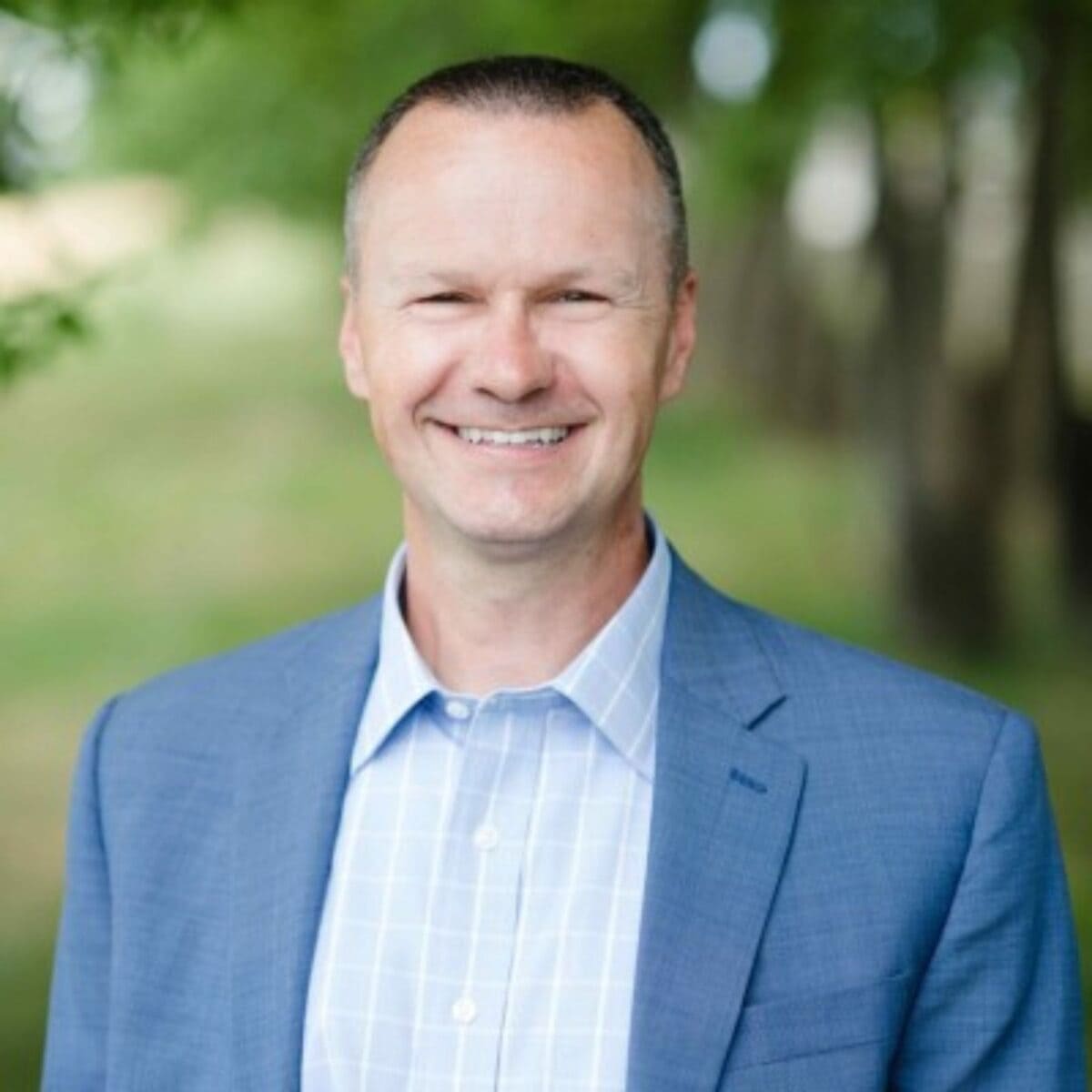
The diamond on my sleeve has always meant service. For 12 years as a First Sergeant in the United States Air Force, that small symbol represented the trust of Airmen who came to me during some of the most pivotal moments of their lives — career decisions, personal struggles, leadership challenges, and moments when they simply needed someone to listen. Later, as Commandant of the United States Air Force Sergeants Academy, I had the honor of helping build up thousands of noncommissioned officers who would go on to lead across our force. Developing people has always been my mission. Yet as my 27-year military career began to close, I found myself asking the question: How could I continue serving leaders and helping others grow once the uniform came off?
27 Years of Servant Leadership in Uniform
Throughout my career in the United States Air Force, leadership was never about rank — it was about service. For more than 27 years, I had the privilege of mentoring, teaching, and developing Airmen across the globe. Before my final role as the Commandant of the United States Air Force Sergeants Academy, I spent 12 years wearing the First Sergeant’s diamond, which is often described as the “heartbeat of the unit.” I served as the senior enlisted advisor responsible for the welfare, readiness, and development of Airmen and their families. During those years, I realized the profound responsibility leaders carry when others trust them with their careers, challenges, and sometimes their most difficult life moments.
Alongside my military service, I pursued another passion — education. I served as an adjunct professor for several colleges and universities, teaching leadership, organizational behavior, communication, and management. Whether I was teaching in a classroom or mentoring an Airman, the mission was always the same: develop people so they can become the best version of themselves.
Looking back, the thread that connects every stage of my career is servant leadership. My philosophy has always been grounded in the belief that leaders exist to serve those they lead. The greatest impact a leader can have is not through authority, but through helping others grow, succeed, and realize their full potential.
Why I Turned to Coaching Before Retirement
Yet as I approached retirement, I realized something important. For decades, I had invested deeply in the development of others, but I had rarely paused to intentionally invest in my own growth through coaching.
Experiencing coaching from the client’s perspective became a powerful turning point. Being coached created space for reflection — an opportunity to think deeply about purpose, legacy, and how I wanted to continue serving beyond my military career. Those conversations helped me recognize that the leadership skills I developed over decades in uniform — deep listening, powerful questioning, accountability, and empowering others — were closely aligned with the principles of professional coaching.
What I needed was a pathway to use those experiences to become a recognized professional credential.
How the DoD COOL Program Funds ICF Credentials
That opportunity came through the Department of Defense Credentialing Opportunities On-Line (DoD COOL) program. The program provides service members with resources and funding to pursue civilian certifications aligned with their experience and future career goals. Through this program, I was able to pursue and earn my Associate Certified Coach (ACC) credential from the International Coaching Federation (ICF), the global gold standard in professional coaching.
The impact of this program cannot be overstated. For many transitioning service members, the challenge is not a lack of experience; it is translating that experience into credentials that civilian organizations recognize. The DoD COOL program bridges that gap by providing both financial support and a structured pathway to professional certification.
For me, the program made it possible to complete accredited coach training, fulfill coaching hour requirements, and pursue the rigorous ICF certification process. More importantly, it provided a bridge from military service to a meaningful post-military profession.
Since earning my ACC credential, I have had the opportunity to secure several coaching and leadership development roles. Organizations recognize the value of combining military leadership experience with professional coaching credentials, which has opened doors for leaders to grow across government, corporate, and academic environments.
Programs like DoD COOL represent more than just funding opportunities. They represent an investment in the continued leadership of those who have served. They enable service members to transition successfully while continuing to make meaningful contributions in new arenas.
GI Bill Benefits for ICF Credentialing
In addition to the DoD COOL program, veterans and transitioning service members now have another pathway to pursue ICF credentials, as the ACC and PCC are approved for professional development covered by the GI Bill. Veterans can use part of their GI Bill entitlement to cover the costs of the credentialing tests. Learn more about using the GI Bill and COOL program funding.
For those currently serving who feel called to help others grow, I encourage exploring the credentialing pathways available. Whether your passion lies in coaching, leadership development, or another professional field, the opportunity exists to continue serving in powerful ways.
For me, the journey from Chief Master Sergeant to ICF Associate Certified Coach has been both fulfilling and purposeful. Thanks to the support of the Department of Defense credentialing programs and the professional standards of ICF, I have been able to continue doing what I have always been passionate about — serving others by helping them unlock their potential.
Disclaimer
The views and opinions expressed in guest posts featured on this blog are those of the author and do not necessarily reflect the opinions and views of the International Coach Federation (ICF). The publication of a guest post on the ICF Blog does not equate to an ICF endorsement or guarantee of the products or services provided by the author.
Additionally, for the purpose of full disclosure and as a disclaimer of liability, this content was possibly generated using the assistance of an AI program. Its contents, either in whole or in part, have been reviewed and revised by a human. Nevertheless, the reader/user is responsible for verifying the information presented and should not rely upon this article or post as providing any specific professional advice or counsel. Its contents are provided “as is,” and ICF makes no representations or warranties as to its accuracy or completeness and to the fullest extent permitted by applicable law specifically disclaims any and all liability for any damages or injuries resulting from use of or reliance thereupon.
Related Posts

From I Can’t to I Will: A New Approach for Coaches
Moving from “I can’t” to “I will” is more than a change in language—it is a shift toward confidence, ownership, and action. Explore a fresh coaching approach that helps clients overcome limiting beliefs and commit to meaningful change.

Refine Your Listening: Hear Less, Coach Better
What if great listening isn’t about hearing everything, but choosing what matters? A coach’s guide to refining how you listen.

Can a Coach Break Confidentiality?
Can a coach break confidentiality? Learn the ethical and legal limits every coach needs to discuss with clients from the start.